 Bali Travel Guide Your Complete Guide in Bali

Tanah Lot Temple: A Complete Guide to Bali’s Iconic Sea Temple – Perched gracefully on a rocky outcrop overlooking the Indian Ocean, Tanah Lot Temple stands as one of Bali’s most iconic sea temples, enchanting travelers with its stunning sunset views and rich cultural significance.
This magnificent temple, dedicated to the sea gods, draws thousands of visitors each year, eager to experience its unique blend of natural beauty and spiritual heritage.
As you wander through the temple grounds, you’ll discover intricately carved shrines, bustling market stalls, and breathtaking coastal scenery that will leave you in awe.
Whether you’re seeking a serene escape, an opportunity for captivating photography, or a deeper understanding of Balinese spirituality, Tanah Lot Temple has something for everyone.
In this complete guide, we’ll explore its historical importance, how to navigate this popular destination, and tips for making the most of your visit, ensuring your experience at Bali’s treasure is unforgettable. Get ready to immerse yourself in the magic of Tanah Lot!
Historical Significance of Tanah Lot Temple
Tanah Lot, which translates to “Land in the Sea,” is one of Bali’s most revered sea temples, holding immense historical and spiritual significance. The temple’s origins date back to the 16th century when it was established by the Javanese priest, Dang Hyang Nirartha.
According to legend, Nirartha was inspired by the beauty of the rocky outcrop and the stunning sunset views, deciding to build a shrine dedicated to the sea gods to protect the island from evil sea spirits.
This historical connection to Nirartha has made Tanah Lot a key pilgrimage site for Balinese Hindus and a symbol of the island’s cultural and religious heritage.
Over the centuries, Tanah Lot has withstood the test of time, despite the constant battering by waves and the harsh coastal environment. The temple’s enduring presence is a testament to the resilience of Balinese culture and the significance of its spiritual practices.
The site has been meticulously preserved and restored by local communities and authorities, ensuring that visitors can continue to experience its historical grandeur.
The temple’s resilience is not just physical but also cultural, as it remains a living part of Balinese religious life, where rituals and ceremonies are still performed regularly.
Tanah Lot’s historical importance is further underscored by its role in unifying different aspects of Balinese culture. The temple serves as a focal point for various religious ceremonies, including the Melasti pilgrimage, where devotees purify themselves in the ocean waters.
This blending of natural beauty and spiritual practice highlights the harmonious relationship between the Balinese people and their environment, a relationship that has been nurtured for centuries.
As you explore Tanah Lot, you are not just witnessing a historical site, but also engaging with a living tradition that continues to shape the identity of Bali.
Architectural Features of Tanah Lot
The architectural splendor of Tanah Lot is a marvel to behold, with its intricate design reflecting the ingenuity and craftsmanship of Balinese temple builders. The temple is constructed on a large offshore rock that has been shaped continuously over the years by the ocean tides.
This unique positioning gives Tanah Lot its distinct appearance and makes it one of the most photographed landmarks in Bali. The temple’s main structure is relatively simple yet elegant, featuring traditional Balinese pagodas and shrines decorated with intricate carvings and statues.
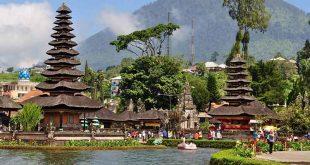
One of the most striking features of Tanah Lot is its multi-tiered meru (pagoda), which is dedicated to the sea gods and other deities. The Meru’s thatched roofs, made from black fiber, create a stunning silhouette against the backdrop of the setting sun.
The temple complex also includes smaller shrines and pavilions, each serving specific religious functions. These structures are embellished with detailed stone carvings depicting mythological creatures, floral patterns, and religious symbols, showcasing the rich artistic heritage of Bali.
The surrounding landscape of Tanah Lot further enhances its architectural beauty. During low tide, visitors can walk across the rocky causeway to the temple, while high tide transforms the temple into an isolated island, adding to its mystical allure.
The natural rock formations and tidal pools around the temple create a picturesque setting that complements the man-made structures. This seamless blend of natural and architectural elements makes Tanah Lot a true masterpiece of Balinese temple design, offering a visual feast for visitors and a profound sense of tranquility.
Best Times to Visit Tanah Lot Temple
Visiting Tanah Lot Temple is a magical experience no matter the time of year, but certain periods offer a more enchanting and comfortable visit. The dry season, from April to October, is considered the best time to visit Tanah Lot, as the weather is typically sunny and dry, with minimal rainfall.
During this period, the clear skies and pleasant temperatures provide ideal conditions for exploring the temple grounds and capturing stunning photographs. The dry season also coincides with Bali’s peak tourist season, so be prepared for larger crowds, especially during the summer months.
Sunset is arguably the most popular time to visit Tanah Lot, as the temple’s silhouette against the vibrant colors of the setting sun creates a breathtaking spectacle. Arriving in the late afternoon allows you to explore the temple and its surroundings before settling in to watch the sunset.
It’s advisable to arrive early to secure a good viewing spot, as the area can become quite crowded with visitors eager to witness this natural beauty.
For a more serene experience, consider visiting during sunrise, when the temple grounds are less crowded, and the soft morning light casts a tranquil glow over the landscape.
If you prefer a quieter visit, consider exploring Tanah Lot during the shoulder seasons of March and November. These months offer a balance between favorable weather and fewer tourists, allowing you to enjoy the temple’s serene atmosphere without the hustle and bustle of peak season.
Additionally, visiting on weekdays rather than weekends can also help you avoid larger crowds. No matter when you choose to visit, Tanah Lot’s timeless beauty and spiritual ambiance will leave a lasting impression.
How to Get to Tanah Lot from Popular Locations in Bali
Reaching Tanah Lot from various parts of Bali is relatively easy, thanks to the island’s well-developed transportation network. The temple is located about 20 kilometers northwest of Denpasar, Bali’s capital, making it easily accessible from popular tourist areas like Kuta, Seminyak, and Ubud.
If you’re staying in Kuta or Seminyak, you can reach Tanah Lot in about 45 minutes to an hour by car, depending on traffic conditions.
Renting a car with a private driver or taking a taxi is a convenient option, allowing you to travel comfortably and avoid the hassle of navigating Bali’s busy roads.
Alternatively, you can rent a scooter or motorbike for a more challenging journey, but be sure to exercise caution, as traffic can be unpredictable.
For those staying in Ubud, the drive to Tanah Lot takes about 1.5 to 2 hours. Again, renting a car with a private driver is recommended for a stress-free journey.
Public transportation options, such as the Kura-Kura Bus, are also available, offering a more affordable alternative. Kura-Kura Bus operates several routes connecting major tourist areas, including a direct route to Tanah Lot.
Whichever mode of transportation you choose, planning your trip in advance and considering travel times will help ensure a smooth and enjoyable visit to Tanah Lot.
Cultural Events and Festivals at Tanah Lot
Tanah Lot is not only a stunning architectural marvel but also a vibrant cultural hub, hosting numerous events and festivals throughout the year.
These celebrations offer visitors a unique opportunity to witness Balinese traditions and rituals up close, providing a deeper understanding of the island’s rich cultural heritage.
One of the most significant events held at Tanah Lot is the Odalan ceremony, which marks the temple’s anniversary. This elaborate celebration occurs every 210 days, following the Balinese Pawukon calendar.
During the Odalan, the temple is adorned with colorful decorations, and offerings are made to the gods. The celebration includes traditional music, dance performances, and various rituals, creating a lively and festive atmosphere.
Attending the Odalan ceremony is a truly immersive experience, allowing you to witness the devotion and spiritual fervor of the Balinese people.
Another important event at Tanah Lot is the Melasti pilgrimage, which takes place several days before the Balinese New Year, known as Nyepi. During Melasti, devotees from surrounding villages travel to the temple to perform purification rituals in the ocean.
This event symbolizes the cleansing of impurities and the renewal of spiritual energy. The procession to Tanah Lot and the subsequent rituals are deeply moving, offering a glimpse into the profound connection between the Balinese people and their natural surroundings.
Throughout the year, Tanah Lot also hosts various cultural performances and traditional art exhibitions. These events showcase the island’s diverse artistic heritage, featuring everything from gamelan music and shadow puppetry to intricate dance performances.
By attending these cultural events, you can gain a deeper appreciation for the vibrant traditions that continue to thrive in Bali, enriching your visit to Tanah Lot.
Tips for Visiting Tanah Lot: What to Know Before You Go
To ensure a smooth and enjoyable visit to Tanah Lot, it’s essential to keep a few practical tips in mind. These guidelines will help you make the most of your experience while respecting the temple’s cultural and spiritual significance.
First and foremost, dress appropriately when visiting Tanah Lot, as it is a sacred site. Modest clothing is recommended, with shoulders and knees covered. Sarongs and sashes are often provided at the entrance for those who need them.
Wearing comfortable footwear is also advisable, as the terrain can be uneven and rocky, especially if you plan to explore the surrounding areas.
Timing your visit is crucial to avoid crowds and make the most of the temple’s beauty. As mentioned earlier, sunset is the most popular time to visit, so arriving early can help you secure a good spot for viewing.
If you prefer a quieter experience, consider visiting during sunrise or on weekdays. Be mindful of the tides, as high tide can limit access to certain areas of the temple. Checking tide schedules in advance can help you plan your visit accordingly.
Lastly, be respectful of the temple and its surroundings. Follow all posted guidelines and instructions from temple staff, and refrain from touching or climbing on the sacred structures.
Photography is generally allowed, but be mindful of other visitors and avoid using flash during ceremonies. By showing respect for the temple and its cultural significance, you can contribute to the preservation of this iconic site for future generations to enjoy.
Nearby Attractions to Explore Around Tanah Lot
While Tanah Lot is undoubtedly a highlight of any Bali itinerary, the surrounding area also offers a wealth of attractions worth exploring. From lush rice terraces to charming villages, there is plenty to see and do near Tanah Lot.
One such attraction is the Jatiluwih Rice Terraces, a UNESCO World Heritage site located about an hour’s drive from Tanah Lot. The terraces are renowned for their stunning beauty and intricate irrigation system, known as subak, which has been used by Balinese farmers for centuries.
Strolling through the terraced fields offers a peaceful escape and a chance to appreciate the island’s agricultural heritage. The area also features several hiking trails, allowing you to explore the picturesque landscape at your own pace.
Another nearby gem is the village of Canggu, which is quickly becoming a popular destination for travelers seeking a more laid-back atmosphere. Canggu offers a mix of trendy cafes, boutique shops, and beautiful beaches, making it an ideal spot for relaxation and exploration.
Echo Beach, in particular, is known for its excellent surf breaks and vibrant beach scene. After a day of sightseeing, unwind at one of Canggu’s beachside bars and enjoy a refreshing drink while soaking in the stunning coastal views.
For those interested in Balinese culture and history, a visit to the Taman Ayun Temple in Mengwi is highly recommended. This royal temple, built in the 17th century, is surrounded by a moat and features beautifully landscaped gardens and multi-tiered shrines.
The temple complex offers a serene and picturesque setting, perfect for a leisurely stroll and some quiet reflection. Combining a visit to Tanah Lot with these nearby attractions ensures a well-rounded and enriching experience of Bali’s diverse offerings.
Photography Tips for Capturing the Beauty of Tanah Lot
Tanah Lot is a photographer’s paradise, offering endless opportunities to capture its breathtaking beauty. Whether you’re an amateur or a professional, these tips will help you capture stunning photos of this iconic sea temple.
First, consider the time of day when planning your photography session. The golden hours of sunrise and sunset provide the best lighting conditions, casting a warm, soft glow on the temple and its surroundings.
Arriving early or leaving late can help you avoid crowds, allowing you to take unobstructed photos. Changing tides also create different photography opportunities, with low tide revealing rocky paths and high tide transforming the temple into a secluded island.
Composition is key to creating visually stunning images. Experiment with different angles and perspectives to highlight the temple’s unique features and its dramatic coastal setting.
Incorporating natural elements, such as crashing waves, rocky shorelines, and lush greenery, can add depth and interest to your photos. Using key lines, such as a path or temple steps, can direct the viewer’s eye and create a sense of movement within the frame.
Finally, don’t forget to capture the small details that make Tanah Lot so enchanting. Intricate carvings, ornate temples, and colorful offerings all contribute to the temple’s charm.
Macro photography can be particularly effective in showcasing these intricate details. By combining wide-angle shots with close-up shots, you can create a comprehensive visual story that captures the essence of Tanah Lot.
Conclusion: The Magic of Tanah Lot Temple in Bali
Pura Tanah Lot is more than just a tourist attraction; it is a place of profound beauty, spiritual significance, and cultural heritage. As you explore its stunning architecture, witness its vibrant ceremonies, and immerse yourself in its serene atmosphere, you will undoubtedly feel the magic that has captivated visitors for centuries.
Whether you’re seeking a serene escape, an opportunity for captivating photography, or a deeper understanding of Balinese spirituality, Tanah Lot offers a truly unforgettable experience.
By following this complete guide, you can make the most of your visit to Tanah Lot, ensuring a smooth and enriching journey. From understanding its historical significance and architectural features to planning your visit and exploring nearby attractions, you’ll be well-prepared to appreciate all that this iconic sea temple has to offer.
As you stand on the rocky outcrop, gazing at the temple silhouetted against the setting sun, you will undoubtedly be swept away by the timeless beauty and enduring spirit of Tanah Lot.
Embrace the magic of Tanah Lot and let it leave a lasting impression on your heart and soul. Whether it’s your first visit or a return journey, the temple’s enchanting allure will continue to inspire and captivate, reminding you of the unique and mystical charm of Bali.